
Stories From the Field
Each issue features a conversation with someone whose work invites us to think differently about community, creativity, and collective life. We’ll explore the relationships and everyday practices that shape their work, the questions they’re carrying, and what they’re learning along the way.
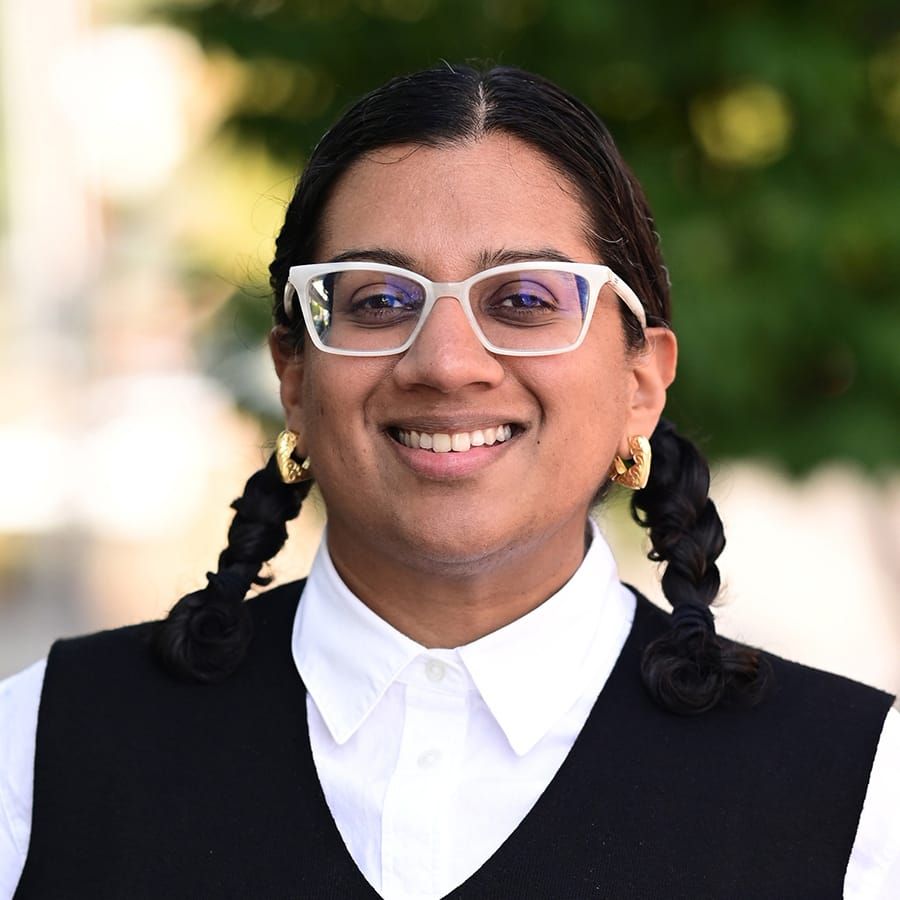
Meet Somya Singh
Our first guest Somya Singh, a deeply talented and community-focused designer, illustrator, and community engagement practitioner based in Portland, Oregon. Somya is the Senior Community Design Engagement Lead at Bora Architecture & Interiors and founder of Ghost Love Designs. Drawing on a background in architecture, museum exhibitions, and visual arts, her practice is grounded in compassionate listening and collaborative design. She brings people together to help shape the spaces and experiences that affect their lives.
- Your work spans children’s museums, exhibit design, and architecture. What has that experience taught you about what makes people feel they belong in a space?
I identify as an exhibit designer who specializes in play; the funnest problems to solve are ones of connection. Creating spaces that scream specificity requires a lengthy process of understanding the community you are designing for and engaging them in a meaningful process. Facilitating a sense of belonging means co-conspiring with a diverse group of creatives of all types and abilities to produce visual and experiential moments where people feel reflected, represented, and surprised, in ways that celebrate their humanity and curiosity and offer empathy.
- Can you share a moment when listening to community members changed the direction of a project? We’d love to hear what shifted and what that experience taught you about sharing decision-making power.
Any time you’re working with community members, you’re entering into a sacred agreement between you, them, and the creative powers that are also present and want to find expression. I am part of a design team working on a high school storytelling project in Albina, a historically Black neighborhood in Portland, Oregon. For over 150 years, Portland’s racist policies, enacted through law, housing practices, redlining, and city planning, targeted Black people and families, resulting in economic uncertainty, poorer health outcomes, and erasure. Albina residents have been neglected and excluded from decisions made about their neighborhood and it was important that we get the engagement process right. Through a years-long approach that has included 60+ events, workshops, activities, and working directly with students, families, and teachers, we have centered the voices and stories of current and past students to celebrate their many academic, artistic, and athletic achievements. Led by the design firm Colloqate, we are using an approach called “Cultural Placemaking” to gain a deeper understanding of the joys and heartaches this population has experienced over decades. Their lived experience makes up the interior environment of the school and tells real stories that share—in their own words— where this community has come from, where they’re going, and the promise that Black futures hold.
- What do you wish organizations and funders better understood about the time, care, and resources that meaningful community engagement requires? What’s one thing you’d encourage them to do differently?
Authentic engagement with communities takes time, commitment, and trust. Building relationships means showing up again and again, working through moments of conflict, and finding interactive, creative, and fun ways to inspire something new to emerge. It’s important to meaningfully compensate and include people throughout the process, and to show how you will integrate their voices, ideas, input, and feedback into the final project or product. Respect the wisdom, knowledge, and passion for storytelling that community members bring to the table as they co-create projects with you. Honor that expertise by compensating them generously, giving back to their community in the ways they want, and staying in relationship with them to help expand their networks for future opportunities, so they can continue to bring ideas to you to help shape and grow the work.